 Domain RegistrationFind and register the perfect domain for your website.
 .COM DomainChoose a widely recognized domain to build global credibility.
 Domain TransferSeamless domain transfers with zero downtime and complete control.
 All TLDsFind and register your perfect domain. Choose from local and global extensions.
 SSL CertificatesKeep your website safe with reliable SSL Certificates that protect customer data and build trust.
 whoisCheck domain ownership details, expiration dates, and registrar information.
 US DomainRegister a .US domain and build trust in the USA.
 Web HostingEverything your website needs to run smoothly
 WordPress HostingWordPress hosting that just works
 Windows HostingReliable hosting for Windows environments
 Reseller HostingTurn hosting into your business
 Email HostingEmail that looks professional and works anywhere
 cPanel HostingFull control of your hosting with cPanel
 Affiliate ProgramJoin as a partner and earn commissions on every referral you send our way.
 Vps HostingScalable virtual servers that expand as you need.
 Dedicated ServersGet complete access and full control over your dedicated physical server.
 Managed vpsNot tech-savvy? We will take care of everything with our fully managed VPS hosting for you.
 AI Website BuilderCreate stunning websites in seconds with AI.
 Online ShopSet up a professional online store. No coding required.
 Web design serviceGet a tailored website designed to match your brand and support your goals.
 BlogFind helpful guides on web hosting, online selling, digital marketing, and more.
 Contact USYou can reach us anytime, day or night, through chat or email.
 SupportBrowse helpful guides and answers for all of our services.
There are millions of businesses operating right now with no website. Some rely on word of mouth. Some have a Facebook page they update occasionally. Some just haven’t gotten around to it yet.
That’s not just a problem for those businesses. For web designers, freelancers, and digital marketers, it’s one of the biggest untapped opportunities available. Knowing how to find businesses without websites and turn them into paying clients is a skill that can generate consistent income with relatively low competition.
This article gives you the full picture, from where to find these businesses to how to close them as clients.
Ready to offer professional web solutions? Register client domains with Truehost and deliver everything they need from one reliable platform.
Why Businesses Without Websites Are a Huge Opportunity
Millions of local businesses still have no online presence beyond a social media page. That gap is a steady stream of potential clients for anyone offering affordable web solutions.
1) Limited Budgets
Many small business owners assume websites are expensive. Affordable options exist, but they’re not always visible to people who aren’t actively looking.
2) Lack of Digital Knowledge
Setting up a domain, hosting, and website feels overwhelming to many owners, so they put it off indefinitely.
3) Reliance on Social Media
A Facebook or Instagram page feels free and easy. But it leaves businesses dependent on platforms they don’t own or control.
4) Word-of-Mouth Marketing
Referrals work until a competitor with a website starts taking their customers. That’s usually when the urgency kicks in.
5) Lack of Time
Running a business is demanding. Most owners would happily pay someone to handle the website if they knew who to ask.
Why Every Business Needs a Website
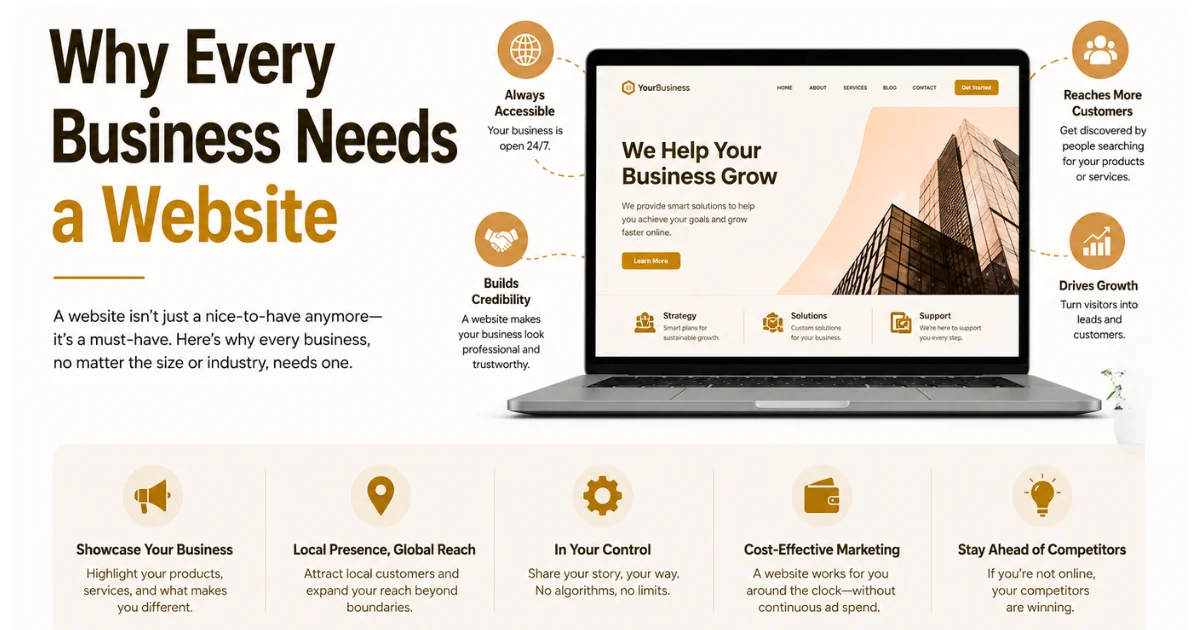
Before reaching out to prospects, understand the argument you’ll be making. These are the points that actually resonate with business owners.
1) Builds Credibility
Consumers look businesses up online before spending money. A business without a website raises doubts instantly. A professional site removes that hesitation.
2) Increases Online Visibility
A website with proper SEO helps businesses appear in Google search results when local customers are actively looking. A Facebook page can’t compete with that.
3) Generates Leads
A website works around the clock to bring in inquiries, bookings, and contact form submissions. It’s the one tool that keeps working even when the owner is off the clock.
4) Available 24/7
Customers search at 11pm and book on Sunday mornings. A website captures that demand. A closed shopfront doesn’t.
5) Gives Businesses Full Control
On a website, the owner sets the rules. No algorithm suppressing posts, no platform policy changes, no risk of an account getting suspended overnight.
How to Find Businesses Without Websites
Finding businesses with no online presence takes a bit of detective work, but the sources are everywhere once you know where to look.
Google Maps Lead Generation
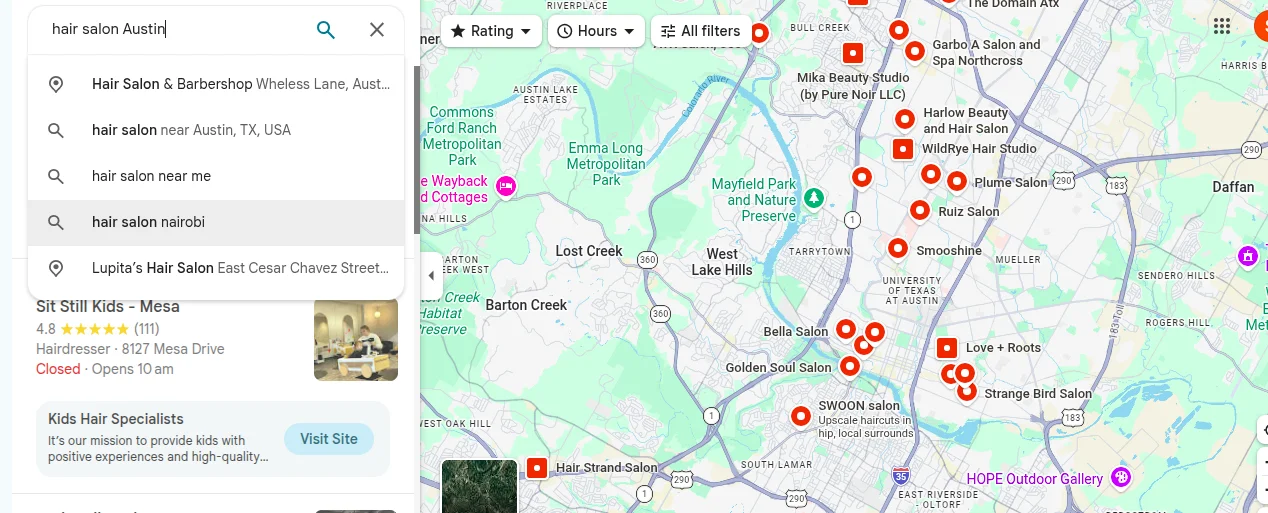
Google Maps is one of the most powerful tools for finding local businesses without websites. Search for a business category and location, such as “hair salon Austin” or “plumber Chicago,” and scroll through the results. Look for listings with a phone number and address but no website link. Those are your targets. Open Google Maps and start searching your target niche right now.
Google Search
Search for “[business type] in [city]” and scan the results. Businesses that don’t appear, or that show up with no website in their listing, are exactly who you’re looking for.
Facebook Business Pages
Search Facebook for local business categories in your target area. A business with a Facebook page but no linked website is a strong lead.
Instagram Business Profiles
Check the bio section of local business profiles. If there’s no website URL, that’s an opportunity.
Yelp
Yelp is packed with small business listings. Filter by category and location, then look for businesses with no website linked in their profile.
Local Business Directories
Industry-specific directories and regional business guides often list businesses that haven’t updated their digital presence in years. Many don’t include a website simply because they don’t have one.
Chamber of Commerce Directories
Most cities have a Chamber of Commerce with a searchable member directory. The US Chamber of Commerce directory is a good starting point for finding local chapters and their business listings. When the website field is blank, you’ve found a lead.
Visiting Local Business Areas
Walk through a business district, note the shops and services, then check whether each one has a website when you get back to your desk.
How to Verify Whether a Business Has a Website
Search the business name in Google. If no website appears and the Google Business Profile doesn’t include a website link, they almost certainly don’t have one. Also check their social media profiles for any linked URLs.
Best Businesses to Target
Some industries are far more likely to have no website than others.
1) Restaurants and Cafes
Many independent restaurants rely on foot traffic alone. A site with a menu, hours, and reservations would immediately increase bookings.
2) Salons and Barbershops
Customers search online before booking. A simple booking page alone can make a significant difference to revenue.
3) Contractors and Tradespeople
Plumbers, electricians, and carpenters often rely on referrals. A website with a portfolio and contact form dramatically increases inbound inquiries.
4) Cleaning Companies
Many small operators compete only through word of mouth. A basic website with services and a quote form gives them a clear edge.
5) Auto Repair Shops
Most people search for mechanics online. A shop without a website is invisible to that audience.
6) Retail Stores
Independent retailers without a website lose sales to both e-commerce giants and local competitors who have one.
7) Gyms and Fitness Studios
People research gyms before committing. A site with class schedules, pricing, and testimonials is essential for new member acquisition.
8) Medical and Dental Clinics
Healthcare providers without websites miss patients who search online before booking. A professional site builds the trust they need.
9) Real Estate Agencies
Small agencies without websites lose clients to more visible competitors every day.
How to Reach Out and Win Clients
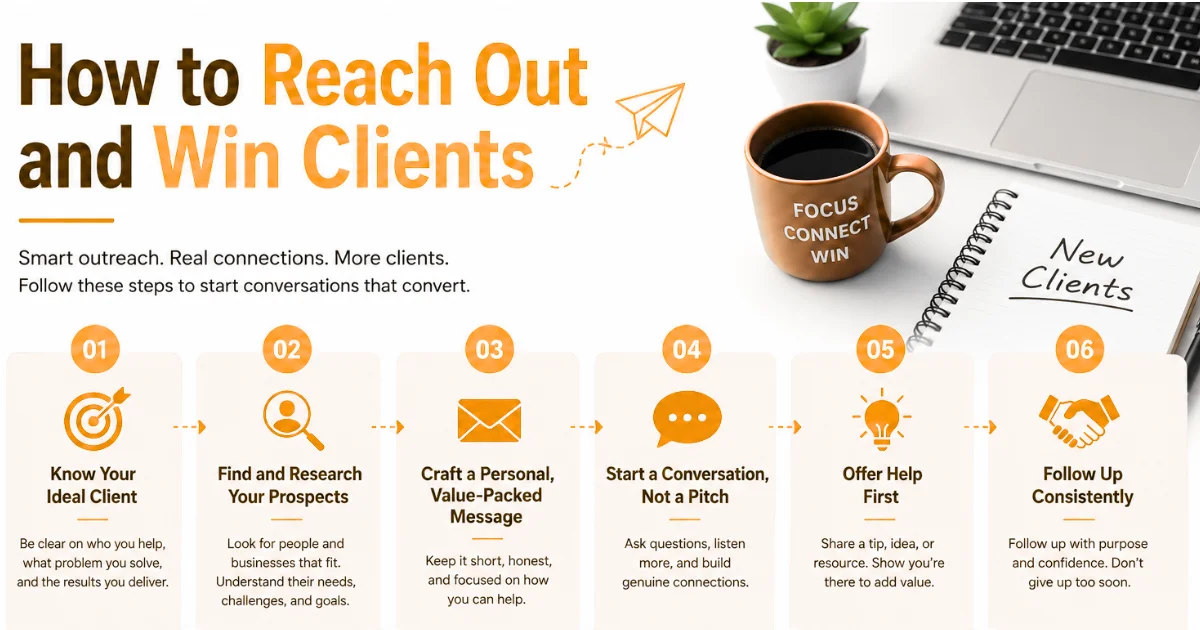
Finding the leads is half the job. Getting a response requires the right approach.
Cold Email
Keep it short and personalized. Reference something specific about the business, mention what you noticed (no website), and make a clear offer. Business owners won’t read a wall of text.
Phone Calls
A call cuts through faster than email. Introduce yourself briefly, mention that you help local businesses get online, and ask if they have a moment to talk.
Facebook and Instagram Messages
If the business is active on social media, a direct message works well. Keep it brief and reference something specific about their profile so it doesn’t read like a template.
In-Person Visits
Walking into a business and introducing yourself is powerful. Bring a simple one-page summary of what you offer and follow up within a few days.
LinkedIn Outreach
For clinics, agencies, and professional service businesses, LinkedIn is a strong channel. Connect and send a short, personalized message.
Practical Tips for Getting Replies: Lead with the benefit, not the service. Instead of “I build websites,” say “I help local salons get found on Google and fill their booking calendar.” Ask a question rather than pitching immediately, and always follow up at least twice before moving on.
How to Turn Prospects Into Paying Clients
Getting a reply is just the beginning.
Understanding Business Needs
Ask questions before presenting a solution. What’s their biggest challenge right now? How do most customers find them? The answers shape your pitch and show you’re focused on their results, not just a sale.
Showing the Value of a Website
Use concrete examples. Show a competitor ranking on Google. Show how many people search for their type of business in their city each month. Numbers land better than abstract explanations.
Offering Affordable Packages
Price is often the main objection. Offer clear, simple packages rather than open-ended quotes. A starter package including a domain, hosting, and a five-page website is easy to understand and easy to say yes to.
Following Up Effectively
Most sales don’t happen on the first contact. Follow up by email or phone three to five days after outreach. Keep it short and focused on value.
Building Long-Term Relationships
A client who trusts you comes back for maintenance, SEO, and additional services. Recurring clients are far more valuable than one-off jobs.
FAQs
How do I find businesses without websites?
Start with Google Maps. Search for a business type and location, then look for listings with a phone number but no website link. Also check Yelp, Facebook, and local Chamber of Commerce directories.
How can I find local businesses that need a website?
Walk through local business areas and note which shops don’t appear when you search for them online. Businesses that are invisible in Google search results are your best prospects.
Is Google Maps the best way to find web design clients?
It’s one of the fastest. You can search any niche in any city, identify businesses with no website in minutes, and build a substantial prospect list in a single session.
How do I convince a business owner they need a website?
Show them what they’re missing. Pull up a competitor who ranks on Google and explain how that visibility translates into calls and bookings. The cost of being invisible is a more compelling argument than any feature list.
How much should I charge a small business for a website?
A simple five-page business website typically ranges from $300 to $1,500 depending on your market and the complexity of the project. Add hosting, maintenance, and SEO as optional monthly services to build recurring income.
Can I make money building websites for local businesses?
Yes, and consistently. Local businesses with no online presence are a large underserved market. Web design, combined with ongoing hosting and maintenance, can support a full-time income with a relatively small number of clients.
Ready to Start Landing Local Business Clients?
The opportunity is real and it’s not going away. Millions of local businesses across the US are invisible online right now, and most of them would work with someone who showed up, explained the problem clearly, and made it easy to get started.
Pick a niche. Build your prospect list on Google Maps. Reach out with a personalized message. Follow up. The formula is simple the results come from doing it consistently.
Start with the right foundation: Register client domains with Truehost, set them up on Truehost reseller hosting, and deliver a professional solution that keeps clients coming back month after month.