 Domain RegistrationFind and register the perfect domain for your website.
 .COM DomainChoose a widely recognized domain to build global credibility.
 Domain TransferSeamless domain transfers with zero downtime and complete control.
 All TLDsFind and register your perfect domain. Choose from local and global extensions.
 SSL CertificatesKeep your website safe with reliable SSL Certificates that protect customer data and build trust.
 whoisCheck domain ownership details, expiration dates, and registrar information.
 US DomainRegister a .US domain and build trust in the USA.
 Web HostingEverything your website needs to run smoothly
 WordPress HostingWordPress hosting that just works
 Windows HostingReliable hosting for Windows environments
 Reseller HostingTurn hosting into your business
 Email HostingEmail that looks professional and works anywhere
 cPanel HostingFull control of your hosting with cPanel
 Affiliate ProgramJoin as a partner and earn commissions on every referral you send our way.
 Vps HostingScalable virtual servers that expand as you need.
 Dedicated ServersGet complete access and full control over your dedicated physical server.
 Managed vpsNot tech-savvy? We will take care of everything with our fully managed VPS hosting for you.
 AI Website BuilderCreate stunning websites in seconds with AI.
 Online ShopSet up a professional online store. No coding required.
 Web design serviceGet a tailored website designed to match your brand and support your goals.
 BlogFind helpful guides on web hosting, online selling, digital marketing, and more.
 Contact USYou can reach us anytime, day or night, through chat or email.
 SupportBrowse helpful guides and answers for all of our services.
Here is a customer searching for exactly what you sell. Your website shows up in the results. They get excited and click your link. Then they wait…One second..Two seconds…Three seconds.
The screen is still completely blank. They have no idea if something is broken or if the page is even loading. So they press the back button and click the next result…your competitor’s website.
You never even knew they were there. So why does this happen?
Because your website is slow, it can happen not once but hundreds of times a day. The visitor came, the visitor left, and you had no chance to make a first impression.
That’s what slow hosting and bounce rates have in common. One causes the other, quietly, every single day.
Your bounce rate is the percentage of people who land on your site and leave without clicking anything or taking any action. The higher it gets, the more visitors your site is losing. And slow hosting is one of the biggest reasons it keeps going up.
Here’s exactly how it happens.
1) Blocks First Paint
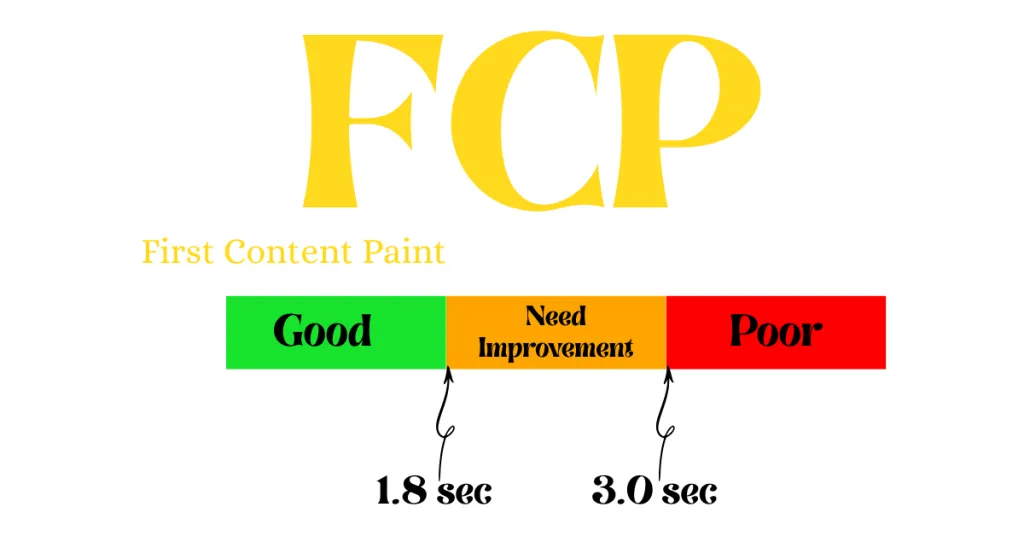
When someone clicks your link, the very first thing they should see is something, anything, appearing on the screen. This moment is called “first paint,” and it’s when your visitor gets their first sign that the page is loading.
On slow hosting, however, this moment gets pushed back. Instead of seeing your website start to appear, your visitor stares at a completely white, empty screen. There’s nothing to look at and nothing to tell them that the page is on its way.
That blank screen feels broken to most people, and a lot of visitors won’t stick around long enough to find out that it isn’t.
2) Delays Content Display
Even after something appears on the screen, your page still isn’t done loading. Your text, images, headings, and layout all need to fully load before the page looks the way it’s supposed to.
On slow hosting, this second stage gets stretched out much longer than it should be.
As a result, your visitor sees a half-built page.
- Some sections are there, others are missing.
- Images haven’t appeared yet.
- Text is in the wrong place.
- The page looks unfinished and unreliable.
That’s enough to make many visitors decide they’d rather look somewhere else.
3) Freezes Page Response
Sometimes a page seems like it has loaded, but when you try to use it, nothing works. You click a button, and nothing happens. You scroll down, and the page stutters and jumps.
This happens because slow hosting means the server hasn’t finished sending everything the page needs to run properly.
Your visitor doesn’t know any of that, though. All they know is that the page feels broken. And when something feels broken, people don’t wait around to figure out why. They just leave.
4) Delays Image Loading
Images are usually the heaviest and largest files on any webpage. Because of that, they’re often the last things to load when hosting is slow. So while your text might appear quickly, your visitor is left looking at a page full of blank boxes where images are supposed to be.
This creates a bad experience for a few reasons. First, it looks messy and unfinished. Second, if your images are important for showing your product or service, your visitor can’t even see what you’re offering.
That makes it very easy for them to get frustrated and leave before your site ever gets the chance to impress them.
5) Delays Script Execution
Scripts are the bits of code that make your website interactive. They control your menus, your buttons, your contact forms, and any moving parts on your pages. On slow hosting, these scripts take much longer to load and start working.
So your visitor might see your page, but when they try to click a menu or fill in a form, nothing responds. They click again. Still nothing. At this point, most people assume something is wrong with the website, and they move on.
Slow script loading is one of the sneakiest ways slow hosting and bounce rates are connected, because it’s not always obvious to the visitor why things aren’t working.
6) Triggers User Frustration

Every extra second your visitor waits creates a feeling, and that feeling is frustration. It starts small, but it builds quickly. After two seconds of waiting, they’re annoyed. Three, they’re already thinking about leaving. After four, they’re gone.
The reason slow hosting and bounce rates are so closely linked is that frustration removes any desire to keep trying. A frustrated visitor doesn’t scroll further, doesn’t check another page, and doesn’t come back later.
They leave, and they take their money with them.
7) Breaks Browsing Flow
Think about the last time you used a website that felt fast and smooth. You clicked, the page loaded instantly, and you kept moving. That smoothness is what keeps people browsing. It feels effortless, and it makes visitors want to check out more of your site.
Slow hosting breaks that feeling completely. Every click becomes a waiting game. Every page transition interrupts the experience.
Instead of flowing through your site naturally, your visitor is constantly being stopped and forced to wait. Each pause is a moment where they can decide to leave instead, and many of them do.
8) Slows Page Navigation
When a visitor wants to move from your homepage to your about page, or from a product listing to a product detail page, that should happen fast. On slow hosting, though, every single click sends a fresh request to a slow server, which means every single page transition takes too long.
Visitors who click through two or three pages and have to wait each time quickly lose patience. The experience feels like wading through mud rather than moving freely.
And once a visitor decides the site is too slow to navigate, they stop checking it out altogether.
9) Delays Mobile Loading
Mobile connections are already slower than a desktop Wi-Fi connection in most cases. So when you add slow hosting on top of a mobile network, your load times can easily hit five, six, or even seven seconds.
According to Google, 53% of mobile users will leave a site if it takes longer than three seconds to load. That means more than half of your mobile visitors are already on the edge of leaving.
Slow hosting pushes them right over that edge. Since more than 60% of all web traffic now comes from mobile devices, a slow mobile experience is one of the fastest ways to damage your bounce rate.
10) Causes Page Timeout
There are moments when the server is so slow that the browser simply gives up waiting. Instead of loading your page, it shows an error message. “This page isn’t responding” or “The connection timed out” are two of the most damaging things a visitor can see.
Unlike a slow page, where the visitor at least sees something and chooses to leave, a timeout gives them no choice. The browser has already decided the page isn’t coming.
That visitor is gone, and they’re far less likely to ever try visiting your site again after an experience like that.
11) Interrupts User Journey
Your website is designed to take visitors on a path. They land on your homepage, they check out your services, they look at pricing, and finally, they reach the point where they contact you or make a purchase. That full path is called the user journey.
Slow hosting puts a speed bump on that path at every single step. Each slow page load gives the visitor another reason to stop and leave before they reach the end.
The longer and slower the journey feels, the fewer people complete it, which means fewer sales, fewer sign-ups, and fewer inquiries for your business.
12) Delays Interaction Readiness
Here’s something that confuses a lot of visitors. Sometimes a page looks like it has fully loaded, the text is visible, the images are there, but when you try to click something, the page still doesn’t respond.
This happens because even though the page looks ready, the browser is still running scripts and finishing up in the background.
On slow hosting, this gap between “looks ready” and “ready to use” is much longer. Your visitor sees what looks like a finished page, tries to interact with it, and gets nothing back.
That’s one of the most frustrating things a person can experience on a website, because it feels like the page is ignoring them.
13) Forces Longer Waiting
Every second your visitor spends waiting is a second they’re asking themselves whether this is worth their time. Research shows that most people won’t wait longer than three seconds for a page to load, and many give up after just two.
Slow hosting stretches the wait beyond what visitors are willing to accept. And because you can’t control how patient each visitor is, the only real solution is to make sure they never have to wait that long in the first place.
That starts with better and more reliable hosting.
14) Creates Blank Screens
A blank screen is one of the worst things a visitor can encounter on your website. It gives them absolutely no information. There’s no progress bar, no loading indicator, no partial content— just white space.
From the visitor’s point of view, the page might as well be broken.
Slow hosting creates blank screens regularly because the server takes too long to send even the basic structure of the page. While fast hosting gets something onto the screen within milliseconds, slow hosting keeps your visitor in the dark.
Most people don’t stay in the dark; they go somewhere brighter.
15) Delays Search Results
If your website has an internal search feature, a way for visitors to search your products, your blog posts, or your FAQ, slow hosting makes every search feel painfully slow. The visitor types something, hits enter, and then waits several seconds for results to appear.
That delay is enough to break the experience.
Visitors who can’t find answers quickly don’t wait; they go to Google and search for what they need there instead.
When that happens, they’ll find your competitors just as easily as they would have found the answer on your site.
16) Slows Checkout Pages
Your checkout page is the most important page on your entire website. It’s the page where a visitor finally decides to give you their money. So if any page on your site needs to be fast and reliable, it’s this one.
Slow hosting, however, doesn’t treat your checkout page any differently. It loads slowly, responds sluggishly to input, and sometimes times out right in the middle of a transaction.
Slow hosting and bounce rates at checkout are particularly expensive because these are the visitors who were ready to buy, and they left anyway because the experience let them down.
17) Blocks Quick Answers
One of the most common reasons people visit a website is to get a quick answer. They want to know your price, your location, your opening hours, or how a product works.
They want that answer in seconds. Not minutes.
When your hosting is slow, and your pages take too long to load, visitors don’t get their quick answer. They get frustrated instead. So they close your site and go find the answer somewhere faster.
Once they leave for a competitor’s site, there’s a very good chance they never come back to yours.
18) Hurts Mobile Experience
Over 60% of all web traffic comes from mobile phones. That’s the majority of your visitors. And on a mobile connection, slow hosting hurts even more than it does on a desktop because mobile networks are already dealing with more limitations.
When your hosting is slow, mobile visitors get late-loading pages, images that appear in the wrong order, and buttons that don’t respond properly. The whole experience feels clunky and frustrating.
Since mobile is now the primary way most people browse the internet, a bad mobile experience doesn’t just raise your bounce rate; it cuts off your biggest source of visitors.
19) Increases Exit Clicks
Every single problem we’ve covered, the blank screens, the frozen buttons, the slow navigation, the timeout errors, leads to the same outcome: your visitor clicks away. They press the back button, they close the tab, or they go back to the search results and pick someone else.
That click away is what pushes up your bounce rate. And because slow hosting and bounce rates are so tightly connected, the only way to stop those exit clicks from piling up is to fix the hosting that’s causing them in the first place.
So, how do you fix your website’s bounce rates?
Truehost Provides Faster Hosting That Reduces Bounce Rate

Slow hosting and bounce rates are a problem you can fix. The fix starts with choosing a faster host.
Here’s what we do at Truehost to keep your pages loading quickly and your visitors staying longer.
High-performance servers reduce response time.
We run our hosting on fast, modern infrastructure so your server responds to every visitor request as quickly as possible. Less waiting time means more visitors who stay, check out more, and take action.
Optimized infrastructure delivers pages faster.
We use NVMe SSD storage, LiteSpeed web servers, and built-in caching technology to make sure every page on your site builds and loads as fast as possible. Fewer delays mean fewer bounces and more engaged visitors.
Stable uptime keeps your website consistently accessible.
A site that keeps going offline sends every single visitor away the moment they arrive. We back our hosting with a 99.9% uptime guarantee, so your site is always there when someone clicks your link.
Better hosting speed keeps visitors on your site longer.
When your pages load fast, visitors don’t feel the urge to leave. They browse more pages, spend more time on your site, and are far more likely to buy, book, or get in touch. Fast hosting is what makes all of that possible.
In Summary
Slow hosting and bounce rates go hand in hand. When your server is slow, pages take too long to load, visitors get frustrated, and they leave before seeing what you offer. Every delay, from a blank screen to a frozen checkout, costs you a visitor who may never come back.
Faster hosting fixes this at the source. At Truehost, we give you the speed, uptime, and performance your site needs to keep visitors engaged from the very first click. Switch to Truehost today →