 Domain RegistrationFind and register the perfect domain for your website.
 .COM DomainChoose a widely recognized domain to build global credibility.
 Domain TransferSeamless domain transfers with zero downtime and complete control.
 All TLDsFind and register your perfect domain. Choose from local and global extensions.
 SSL CertificatesKeep your website safe with reliable SSL Certificates that protect customer data and build trust.
 whoisCheck domain ownership details, expiration dates, and registrar information.
 US DomainRegister a .US domain and build trust in the USA.
 Web HostingEverything your website needs to run smoothly
 WordPress HostingWordPress hosting that just works
 Windows HostingReliable hosting for Windows environments
 Reseller HostingTurn hosting into your business
 Email HostingEmail that looks professional and works anywhere
 cPanel HostingFull control of your hosting with cPanel
 Affiliate ProgramJoin as a partner and earn commissions on every referral you send our way.
 Vps HostingScalable virtual servers that expand as you need.
 Dedicated ServersGet complete access and full control over your dedicated physical server.
 Managed vpsNot tech-savvy? We will take care of everything with our fully managed VPS hosting for you.
 AI Website BuilderCreate stunning websites in seconds with AI.
 Online ShopSet up a professional online store. No coding required.
 Web design serviceGet a tailored website designed to match your brand and support your goals.
 BlogFind helpful guides on web hosting, online selling, digital marketing, and more.
 Contact USYou can reach us anytime, day or night, through chat or email.
 SupportBrowse helpful guides and answers for all of our services.
You spend hours brainstorming, finally land on the perfect domain name, and check that it’s available. Then a nagging thought hits: what if this name is already trademarked by someone else?
It’s a fair concern. Domain name and trademarks are related, but they are not the same thing, and understanding the difference can save you from legal headaches and branding disasters down the road.
Found a name you love? Search and register it on Truehost once you’ve confirmed it’s safe to use.
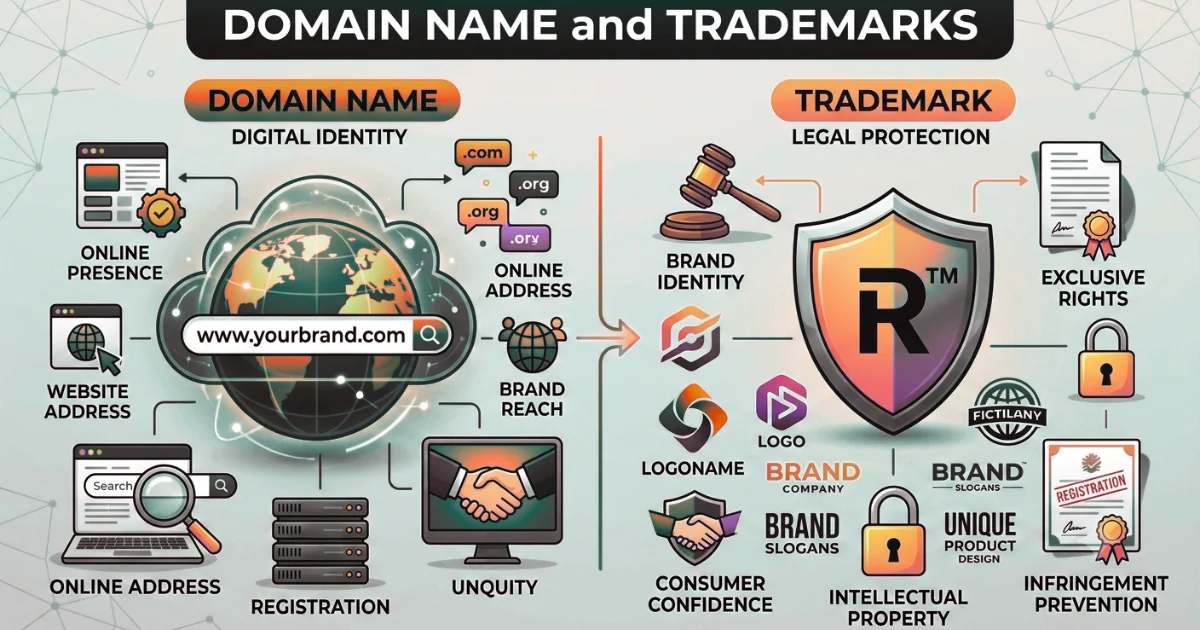
What Is a Domain Name?
Before diving into trademarks, it helps to understand exactly what a domain name is.
How Domain Names Work
A domain name is your address on the internet, like truehost.com or yourbusiness.com. It points visitors to your website and is registered through a domain registrar for a set period of time.
Why Every Website Needs One
Without a domain name, your website would only exist as a string of numbers called an IP address. A domain makes your site easy to find, share, and remember.
What Is a Trademark?
Trademarks work very differently from domain names, even though people often confuse the two.
What a Trademark Protects
A trademark protects a brand name, logo, slogan, or symbol used to identify goods or services. It exists to stop other businesses from using a confusingly similar name in the same industry.
Registered vs Unregistered Trademarks
A registered trademark is officially filed with a government agency, such as the United States Patent and Trademark Office. An unregistered trademark can still exist through everyday business use, though it offers weaker legal protection.
Why Trademarks Matter
Trademarks protect the reputation a business has built. If someone else uses a similar name, customers can get confused about who they’re actually buying from.
Domain Name vs Trademark
These two things often get lumped together, but they serve completely different purposes.
| Factor | Domain Name | Trademark |
|---|---|---|
| Ownership | You control the web address for as long as you renew it | You hold legal rights over the brand name in a specific industry or region |
| Purpose | Directs traffic to your website | Protects your brand identity and prevents customer confusion |
| Legal Protection | Offers no legal protection against trademark claims | Gives you legal standing to challenge others using a similar name |
| Registration Process | Takes minutes through any accredited registrar | Involves a formal government application that can take months |
Owning a domain does not automatically give you trademark rights, and owning a trademark doesn’t guarantee the matching domain is available.
Can a Domain Name Infringe a Trademark?
Yes, and it happens more often than people expect.
Registering a Well-Known Brand Name
Registering a domain that closely matches an established, trademarked brand name puts you at high risk of infringement, even if you had no bad intentions.
Typosquatting
This involves registering domains that are common misspellings of popular brands, like “amason.com” instead of “amazon.com.” It’s widely viewed as a deliberate attempt to profit from someone else’s reputation.
Bad Faith Registration
Registering a domain purely to sell it back to the trademark owner at an inflated price is considered bad faith. This is one of the clearest forms of trademark infringement in the domain world.
Customer Confusion
If your domain name could reasonably make customers think they’re dealing with another company, that’s a red flag. Confusion is often the deciding factor in trademark disputes.
How to Check if a Domain Name Is Trademarked
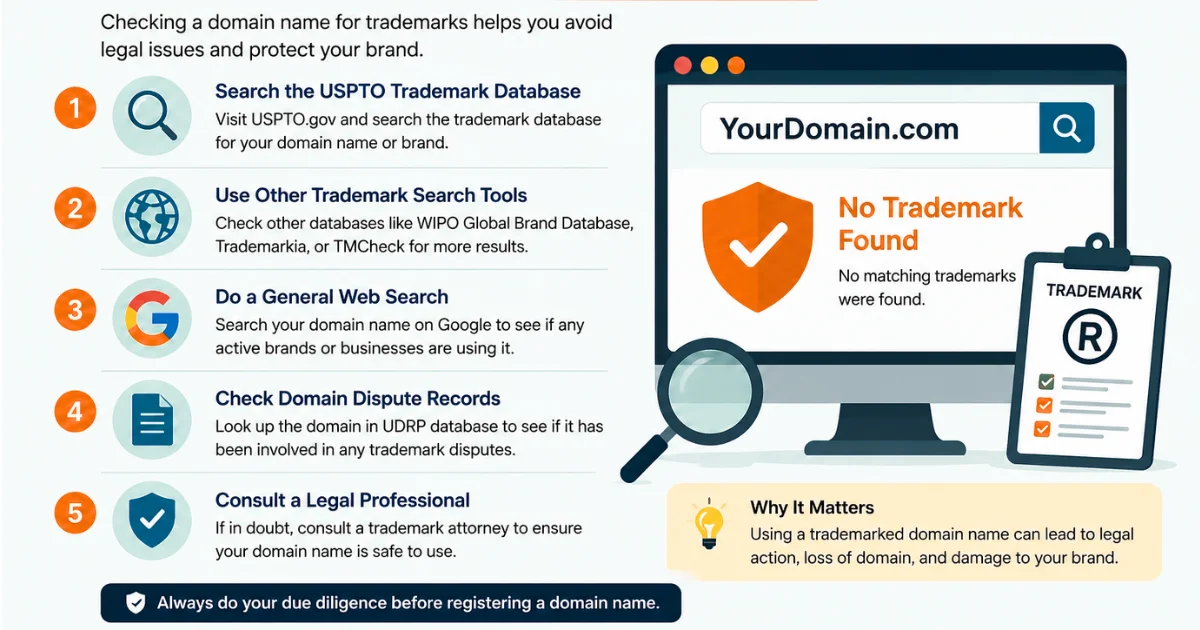
A little research upfront can save you a lot of trouble later.
Searching Trademark Databases
Start with a free trademark search using the USPTO’s trademark database if you’re in the United States. Many countries offer similar public search tools for their own trademark registries.
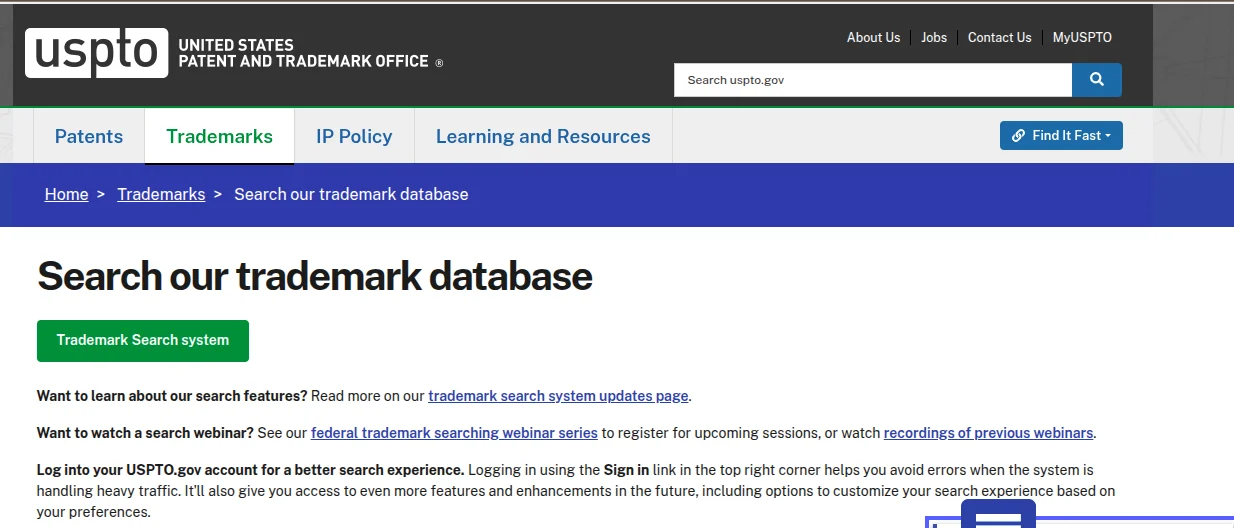
Checking Existing Businesses
Search the name on Google and social media to see if an established business is already using it. A trademark search alone won’t always catch unregistered trademarks built through real-world use.
Looking for Similar Brand Names
Check for names that are close but not identical to yours. A name that’s “close enough” to cause confusion can still create problems even without an exact match.
Getting Professional Advice When Needed
If you’re building a serious business around the name, it’s worth a quick consultation with a trademark attorney. This is especially true if your research turns up anything ambiguous.
What Happens if You Register a Trademarked Domain?
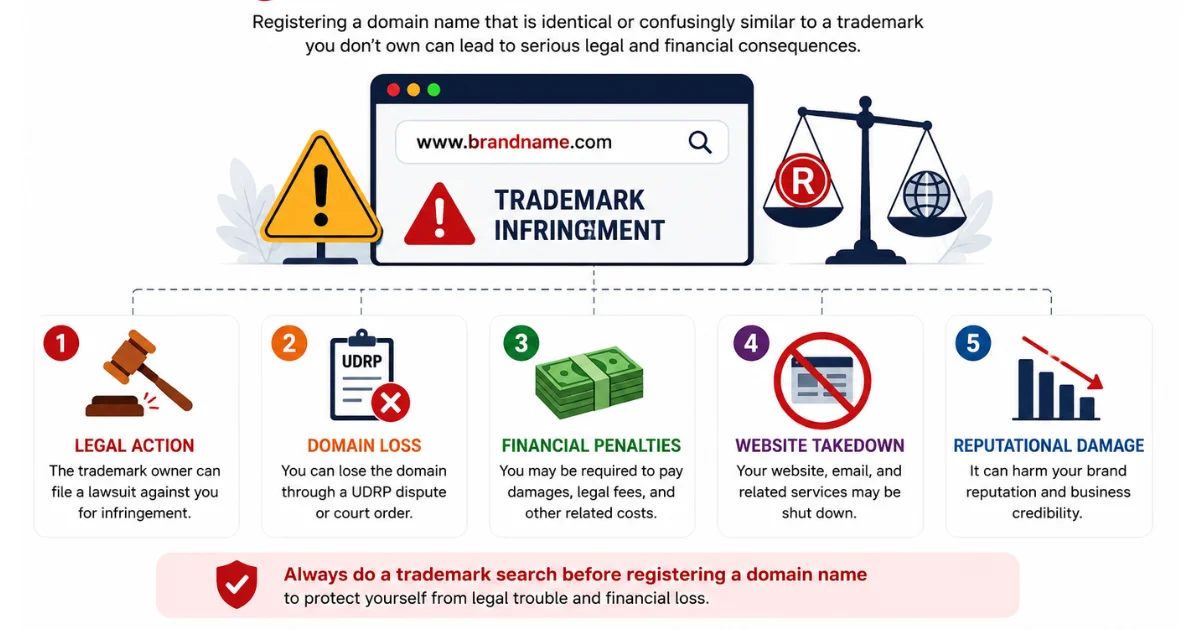
The consequences range from a simple email to a full legal battle.
1) Legal Notices
Many disputes start with a cease-and-desist letter from the trademark holder. This is a formal request asking you to stop using the domain name.
2) Domain Disputes
If the issue isn’t resolved informally, the trademark owner can file a formal complaint, often through a process called the UDRP, which is covered in more detail below.
3) Domain Suspension or Transfer
If a dispute is ruled in favor of the trademark holder, your domain can be suspended or transferred to them entirely. You may lose the domain without compensation.
4) Financial Costs
Beyond losing the domain, you could face legal fees, dispute filing costs, or even damages if the case escalates to court. Avoiding the issue from the start is far cheaper than fighting it later.
How to Choose a Domain Name Without Trademark Problems
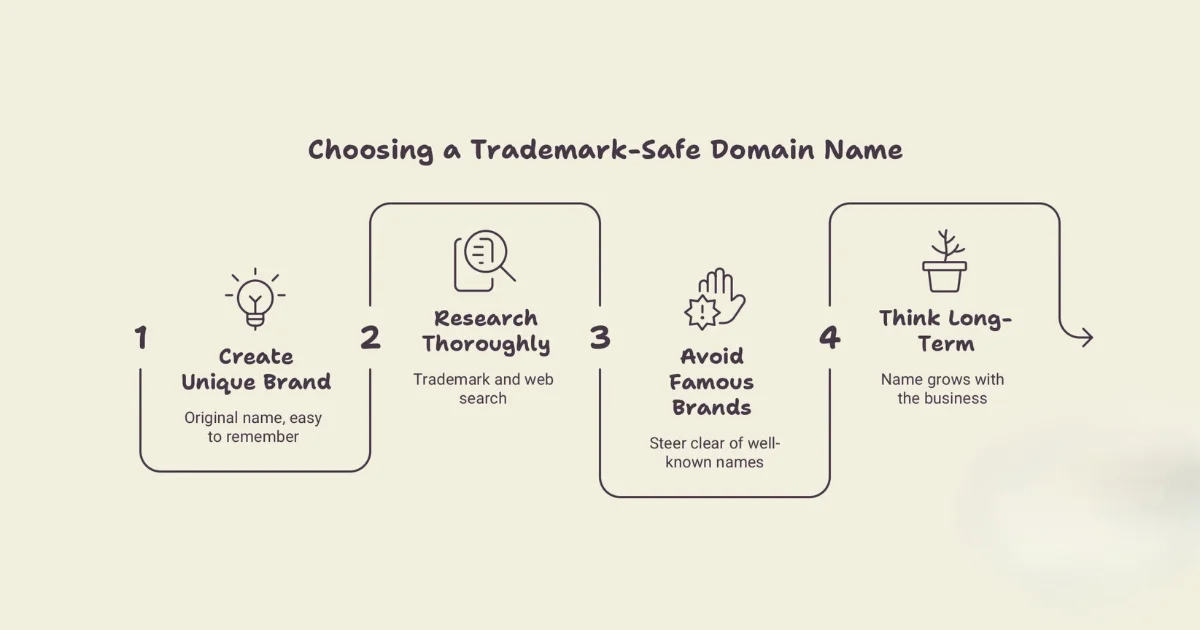
A bit of caution at the naming stage prevents most issues down the line.
1) Create a Unique Brand Name
The safest path is choosing a name that doesn’t closely resemble any existing brand, especially in your own industry. Originality protects you and makes your brand easier to remember.
2) Research Before Registering
Always run a trademark search and a general web search before locking in a domain name. A few minutes of research now can prevent months of disputes later.
3) Avoid Famous Brand Names
Steer clear of names that reference well-known brands, even loosely. Courts and dispute panels take a strict view when famous trademarks are involved.
4) Think Long-Term
Pick a name that can grow with your business and won’t need to change later. Rebranding after a trademark dispute is expensive and damages the trust you’ve already built.
Domain Name Disputes Explained
Understanding how disputes actually work removes a lot of the mystery and fear around this topic.
What Is Cybersquatting?
Cybersquatting is registering a domain name in bad faith, usually to profit from someone else’s trademark. This includes typosquatting and registering domains purely to resell them to the rightful brand owner.
What Is the UDRP?
The Uniform Domain-Name Dispute-Resolution Policy, or UDRP, is a process created by ICANN to resolve domain disputes without going to court. It’s faster and cheaper than traditional litigation.
How Domain Disputes Are Resolved
A UDRP complaint is reviewed by an independent panel, which decides whether the domain should be transferred, cancelled, or remain with the current owner. Most cases are resolved within a couple of months.
When Legal Action May Be Necessary
For complex cases involving significant financial damages or disputed trademark rights, a UDRP complaint may not be enough. In those situations, the trademark holder may pursue the matter through the courts instead.
Best Practices Before Registering a Domain
A few simple habits go a long way in protecting your brand.
1) Verify Availability
Before getting attached to a name, check whether the domain is actually available. Truehost’s domain search tool makes this quick and easy.

2) Check Trademark Records
Run your shortlist of names through a trademark database search. This single step prevents the majority of future disputes.
3) Choose a Memorable Brand
A name that’s unique and easy to remember is also less likely to overlap with existing trademarks. Originality benefits both your branding and your legal safety.
4) Register the Domain Early
Once you’ve settled on a name and confirmed it’s clear, register it right away. Names that pass research can still get taken if you wait too long.
5) Protect Your Brand as It Grows
As your business grows, consider registering your brand name as a trademark and securing related domain extensions. This protects you from competitors and copycats down the line.
FAQs
What is the difference between a domain name and a trademark?
A domain name is your website address, while a trademark legally protects your brand name or logo. Owning one does not automatically give you rights to the other.
Can I trademark my domain name?
Yes, if the name is used to identify your goods or services and meets your country’s trademark requirements. The domain extension itself, like .com, generally isn’t part of the protected trademark.
Can I register a domain name that matches an existing trademark?
Technically yes, since registrars don’t check trademarks before registration. But doing so puts you at serious risk of a dispute or legal action from the trademark holder.
How do I know if a domain name is trademarked?
Search official trademark databases like the USPTO, then check for existing businesses using the name through a general web search. When in doubt, get professional advice.
What happens if I accidentally register a trademarked domain?
You may receive a cease-and-desist letter or face a formal dispute. Responding quickly and considering legal advice can help resolve the situation before it escalates.
Ready to Register a Domain Name with Confidence?
Domain name and trademarks are connected, but they aren’t the same thing, and registering a domain never automatically grants you trademark rights. Taking the time to research your chosen name protects both your business and your budget.
As your brand grows, think beyond just the domain. Protecting your name through proper research and, eventually, trademark registration keeps your business safe from disputes.
Ready to move forward? Search for your domain name on Truehost and register it once you have confirmed it’s clear. A few minutes of research now means peace of mind for years to come.