 Domain RegistrationFind and register the perfect domain for your website.
 .COM DomainChoose a widely recognized domain to build global credibility.
 Domain TransferSeamless domain transfers with zero downtime and complete control.
 All TLDsFind and register your perfect domain. Choose from local and global extensions.
 SSL CertificatesKeep your website safe with reliable SSL Certificates that protect customer data and build trust.
 whoisCheck domain ownership details, expiration dates, and registrar information.
 US DomainRegister a .US domain and build trust in the USA.
 Web HostingEverything your website needs to run smoothly
 WordPress HostingWordPress hosting that just works
 Windows HostingReliable hosting for Windows environments
 Reseller HostingTurn hosting into your business
 Email HostingEmail that looks professional and works anywhere
 cPanel HostingFull control of your hosting with cPanel
 Affiliate ProgramJoin as a partner and earn commissions on every referral you send our way.
 Vps HostingScalable virtual servers that expand as you need.
 Dedicated ServersGet complete access and full control over your dedicated physical server.
 Managed vpsNot tech-savvy? We will take care of everything with our fully managed VPS hosting for you.
 AI Website BuilderCreate stunning websites in seconds with AI.
 Online ShopSet up a professional online store. No coding required.
 Web design serviceGet a tailored website designed to match your brand and support your goals.
 BlogFind helpful guides on web hosting, online selling, digital marketing, and more.
 Contact USYou can reach us anytime, day or night, through chat or email.
 SupportBrowse helpful guides and answers for all of our services.
You sit down to add a new service page to your website.
The page starts loading. Then it freezes.
Buttons vanish. Images jump around. Your contact form stops working.
You hit refresh, hoping it’s just a glitch. Nope. Same problems.
Yesterday, a plugin update wiped out part of your homepage. Your hosting dashboard is full of errors that make no sense. Every time you try to fix something, hours disappear.
You try adding one simple photo. It won’t line up right. Text bounces all over the place. Links die.
A ten-minute task becomes an hour-long nightmare.
Even tiny updates feel dangerous now. One wrong click could break another section. You find yourself checking and rechecking everything before you save.
Your website was supposed to help you sell. Instead, it adds stress, wastes your time, and keeps you awake at night.
These are the hidden pressures of owning a website. Every problem is real and demanding.
Let’s look at the eight types of website stress you’re probably facing right now.
1. Technical Stress

Technical stress hits every time your website won’t cooperate. It comes from updates, hosting problems, plugins, and content issues.
You plan a simple change. Suddenly, everything feels risky. Any click or upload could break something important.
Here’s what that looks like.
Broken Updates
You install what appears to be a safe plugin update. Boom. Your homepage falls apart.
Menus disappear. Buttons die. Your contact form stops sending messages.
Now you’re spending an hour undoing the damage. Your schedule falls behind. Clients wait.
Updates that should improve your site now feel like time bombs.
Hosting Confusion
Your hosting dashboard looks like it’s written in another language. You try pointing your domain, setting up SSL, or managing emails. Errors everywhere. Sometimes the whole site goes down.
Every small task becomes a puzzle. You’re stuck staring at error messages you can’t decode.
Clunky Content Management
Adding a new page should take no more ten 10 minutes. Instead, your formatting breaks.
Images won’t align. Buttons vanish. Replacing a logo or editing a paragraph becomes stressful.
Every small change eats hours of your day.
2. Design and Usability Stress
You look at your website and can’t control how it behaves. Every page, button, and image feels unpredictable.
Your visitors might not notice. But you feel it every single day.
It slows you down and drains your energy. This isn’t about aesthetics. It’s functional stress that steals your time.
Inconsistent Layouts
You add a new service page. Suddenly, everything jumps around.
Headlines move. Text boxes overlap. Images shift.
Your homepage looks different from the rest of your pages. Buttons aren’t aligned. Colors look off.
This mess makes updates confusing. You spend time fixing alignment, adjusting margins, and checking every page over and over.
Confusing Navigation
Your menus don’t make sense. Dropdowns disappear on mobile. Visitors can’t find important pages.
Every menu change risks breaking links. You’re stuck testing and retesting navigation instead of focusing on content or offers.
Unresponsive Design
Pages look fine on your computer but break on phones. Text becomes impossible to read. Buttons shrink too small. Images get cropped weirdly.
You constantly worry about whether mobile users can even use your site. Each fix means checking multiple devices.
Overloaded Pages
You try adding content. The page becomes cluttered. Sections overlap. Images stretch wrong. Fonts look inconsistent.
It takes hours to clean up the layout. Every update becomes stressful instead of productive.
3. Content Stress
Content stress happens when every website update becomes a headache. Text, images, and pages don’t do what you expect. Each small change feels risky.
This is the stress that keeps you from focusing on your actual business.
Missing or Old Content
You check a page and see an outdated service list. Or worse, the page is blank.
You worry visitors are confused. Every fix takes time. You copy, paste, and update. You check twice. Three times.
This constant checking is exhausting.
Broken Links
A link to your booking page stops working. A client clicks it and sees an error.
You panic. You dig through pages to find where it broke. Fixing one link might break another.
This cycle never ends.
Hard-to-Update Media
You upload a photo for a new product. It stretches weird. A video won’t play on mobile.
You resize. Try again. You test on multiple devices. Hours vanish.
Every failed attempt makes you feel stuck.
Confusing Page Layouts
You add a new service section. Suddenly, headings shift. Menus jump. Buttons move where they shouldn’t.
You spend hours adjusting spacing and alignment. The page looks right now. But tomorrow? It might break again.
That uncertainty is exhausting.
4. Security and Reliability Stress
This stress hits when you worry your website isn’t safe or stable. Every crash, warning, or downtime feels urgent.
It distracts you from running your business.
Downtime and Crashes
Your website suddenly goes offline. You check your hosting. Everything looks fine. But visitors can’t reach you.
You lose leads and sales. Each crash is a lost opportunity. Fixing it can take hours.
Hacked or Unsafe Sites
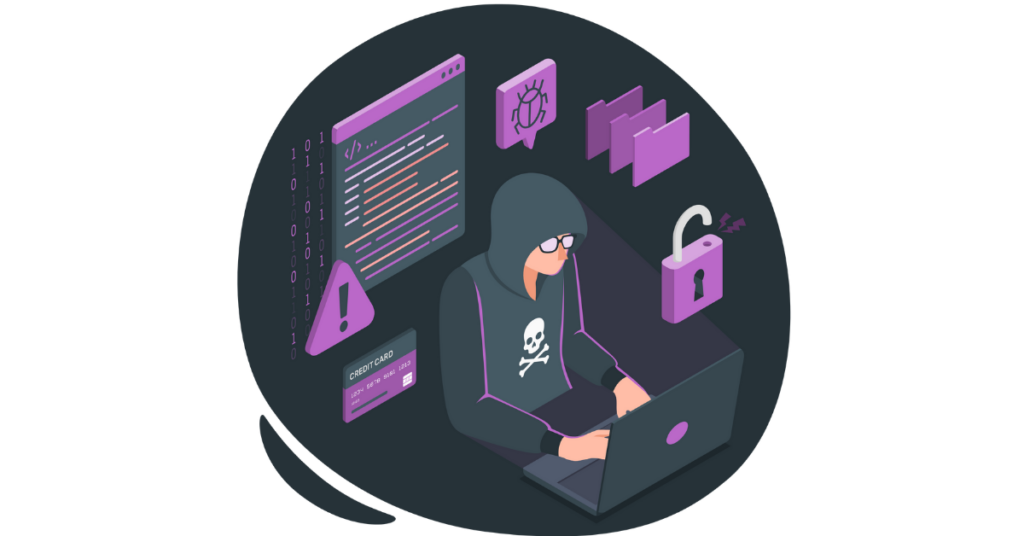
A warning pops up: “Not Secure.”
You panic. You worry about client data and your reputation. Cleaning a hacked site takes time, money, and mental energy.
The fear of attacks keeps you constantly checking.
Slow Performance
Pages take forever to load. Images lag. Videos stutter.
You know visitors will leave. You spend time compressing images and testing speed tools.
Even small delays feel urgent.
Confusing Backups and Updates
You try restoring a previous version after an error. The backup fails, or it’s outdated.
Updates fail. You hesitate to click “update” next time.
Every uncertainty keeps you on edge.
5. User Experience Stress
This stress happens when your website feels hard to use. Every confusing button, broken link, or messy page adds tension.
You spend time checking everything instead of running your business.
Broken Links
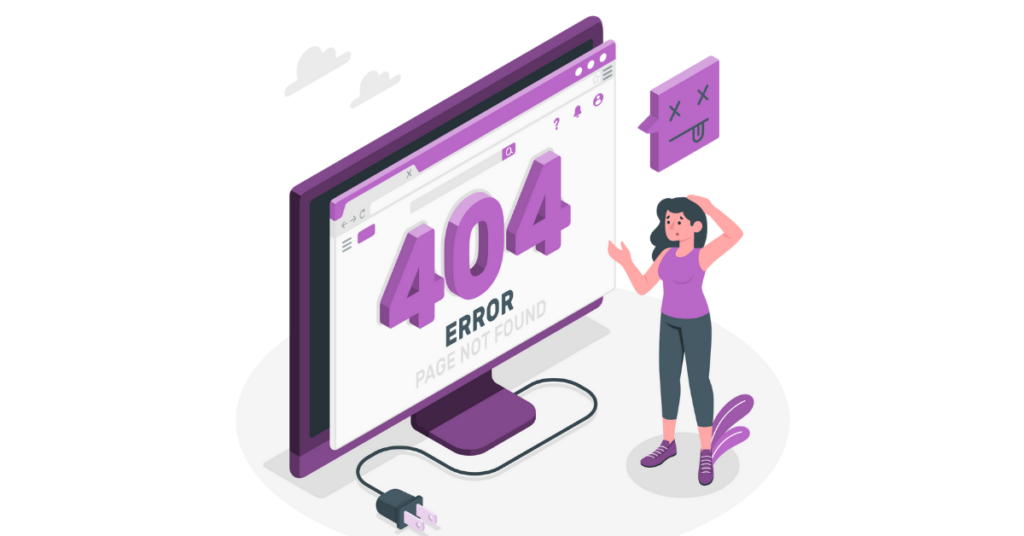
You click a menu link. Nothing happens. A 404 error pops up.
Every broken link means checking every page. Fixing them takes time and focus.
It’s frustrating.
Hard-to-Find Pages
Your new service page is buried in menus. You have to click through multiple links just to find it.
Each redesign makes it worse. You worry visitors won’t see important content.
Unclear Forms
Forms on your site are confusing. Fields are too long or missing labels.
You spend hours adjusting them so clients can contact you. Each broken form adds stress.
Your website shouldn’t make communication harder.
Media That Breaks
Images crop wrong. Videos fail to play.
Every upload takes extra time to fix. You have to test on phones and computers.
This slows you down.
6. Marketing and Visibility Stress
This stress happens when your site exists, but nobody sees it. Your efforts feel invisible.
Every day, it drags down your focus and energy.
SEO Confusion
You write new content. Google still favors your competitors.
Keywords, titles, and tags feel confusing. You spend hours adjusting with little effect.
Social Media Struggle
You know social media could help. Posting, scheduling, and engaging take time.
Yet followers rarely turn into clients. The constant juggling adds stress.
Online Advertising Overload
You try ads to attract visitors. Checking performance, tweaking campaigns, and worrying about wasted money wears you down.
7. Maintenance Stress
Maintenance stress comes from keeping your website safe and working. Every small task feels risky.
One wrong step and your site could break.
Security Worries
Hackers, malware, and stolen client info are real threats. You check alerts constantly.
Even when nothing happens, the stress builds.
Updates and Plugins
A simple plugin update can cause pages to crash. Forgetting updates risks downtime.
Every adjustment requires testing, fixing, and double-checking.
Backups and Recovery

Backing up feels complicated. Restoring lost content can take hours.
Each potential failure fuels ongoing stress.
8. Monetization Stress
This stress hits when your website should earn money, but you don’t know how.
The confusion drains your focus and energy.
Selling Products
Selling online sounds simple. But checkout, shipping, and payment options are tricky.
Every sale feels uncertain.
Affiliate Links
Affiliate programs promise income. But tracking clicks and commissions is confusing.
It takes hours to understand the tools.
Ad Management
Ads can generate revenue. But monitoring clicks, impressions, and conversions is stressful.
Mistakes cost time and money.
Take Back Control
Running a website should help your business grow, not drain your time and energy.
But when updates break pages, layouts shift, links fail, and security warnings pop up, the stress becomes constant.
These problems build up quietly. Eventually, even small tasks feel risky.
Here’s the truth: You’re not “bad at tech.” The tools are chaotic. The systems are fragile. The workload is too much for one person.
Once you identify these stressors, you can fix them. You can simplify your setup and regain control.
You deserve a site that works, supports your goals, and lets you sleep at night. Not one that keeps you awake, wondering what will break next.
Here’s how to get a website that sell.
Common Questions About Website Stress
Website stress is the pressure you feel when your site breaks, slows down, or becomes hard to update. It comes from technical issues, design problems, security warnings, and daily maintenance.
It happens when plugins fail, layouts shift, pages load slowly, links break, or hosting tools feel confusing. Even minor updates can trigger errors that waste time.
Simplify your setup. Remove unnecessary plugins. Use stable hosting. Keep backups. Use tools that are easy to manage. Simple processes reduce stress and help you work faster.
Because many sites rely on multiple plugins, themes, and scripts, one small change can affect everything. This makes even routine tasks feel risky.
Yes. Slow pages frustrate you and your visitors. Long load times hurt performance, SEO, and conversions.
Absolutely. When you’re always fixing issues, you can’t focus on SEO, content, or social media. Stress steals the time you need for growth.
You feel it if updates scare you, fixes take too long, layouts break often, or you double-check every change. It shows up in daily tasks.
Yes. Use reliable tools. Schedule maintenance. Get support when needed. When your system is stable, stress decreases, and your site becomes easier to manage.