 Domain RegistrationFind and register the perfect domain for your website.
 .COM DomainChoose a widely recognized domain to build global credibility.
 Domain TransferSeamless domain transfers with zero downtime and complete control.
 All TLDsFind and register your perfect domain. Choose from local and global extensions.
 SSL CertificatesKeep your website safe with reliable SSL Certificates that protect customer data and build trust.
 whoisCheck domain ownership details, expiration dates, and registrar information.
 US DomainRegister a .US domain and build trust in the USA.
 Web HostingEverything your website needs to run smoothly
 WordPress HostingWordPress hosting that just works
 Windows HostingReliable hosting for Windows environments
 Reseller HostingTurn hosting into your business
 Email HostingEmail that looks professional and works anywhere
 cPanel HostingFull control of your hosting with cPanel
 Affiliate ProgramJoin as a partner and earn commissions on every referral you send our way.
 Vps HostingScalable virtual servers that expand as you need.
 Dedicated ServersGet complete access and full control over your dedicated physical server.
 Managed vpsNot tech-savvy? We will take care of everything with our fully managed VPS hosting for you.
 AI Website BuilderCreate stunning websites in seconds with AI.
 Online ShopSet up a professional online store. No coding required.
 Web design serviceGet a tailored website designed to match your brand and support your goals.
 BlogFind helpful guides on web hosting, online selling, digital marketing, and more.
 Contact USYou can reach us anytime, day or night, through chat or email.
 SupportBrowse helpful guides and answers for all of our services.
Did you know Poland has over 30 million internet users actively engaging online? If you want to build trust, attract local customers, or expand your brand in this fast-growing market, owning a .pl domain is the smartest move you can make. But here’s the big question: who can actually register a .pl domain?
This guide breaks it all down for you.
What is a .pl domain?
The .pl domain is Poland’s official country code top-level domain (ccTLD). It was introduced in 1990 and is managed by NASK, Poland’s national research and development organization.
Unlike many domains, .pl also supports IDNs (internationalized domain names), meaning you can use special characters from scripts like Latin, Greek, Cyrillic, and even Hebrew.
Who exactly can register a .pl domain?
Individuals and businesses (local or global)
You can register a .pl domain whether you live in Poland or abroad. No local company or address is required.
Registrars and the registry
You register through an accredited registrar that works with NASK (the registry). NASK runs the .pl zone and enforces rules.
Exceptions you should know
Functional second-level domains (like edu.pl, gov.pl, com.pl) exist and target specific groups. Some names are reserved or have extra rules. NASK can refuse or suspend registrations that violate rules or the law.
Technical limits (simple)
- Allowed characters: Latin letters, numbers, hyphen. Hyphen can’t be first/last or in some positions (see registry rules).
- Maximum length: 63 characters per label
- Polish letters & other scripts: IDNs work — the registry stores them in xn-- (ACE) form. You can use Polish diacritics.
Why Choose a .pl Domain?
Choosing a .pl domain gives you a powerful way to connect with Poland’s growing online audience. Here’s why it can be the right move for your brand or project:
1) Builds Trust with Local Users
Polish customers are more likely to trust websites that look and feel local. A .pl extension shows immediately that your site is meant for them, making it easier to win attention and credibility.
2) Boosts Visibility in Polish Search Results
Search engines often favor country-specific domains in local searches. A .pl domain can improve your SEO in Poland, helping you rank higher when people search for products or services in the country.
3) Supports Authentic Polish Names
The .pl registry supports IDNs (internationalized domain names). This means you can use Polish characters like ą, ć, ł, ń, ó, ś, ź, ż directly in your domain. It not only feels more authentic but also makes your brand easier to recognize for locals.
4) Strengthens Your Branding
If Poland is part of your business focus, a .pl domain ties your online identity directly to the market. It’s short, memorable, and instantly signals your connection to Poland, perfect for creating a lasting brand impression.
How to Register a .pl Domain (Step-by-Step)
Registering a .pl domain is simple, but there are a few steps to follow carefully. Here’s how the process works:
Step 1: Search for Your Domain Name
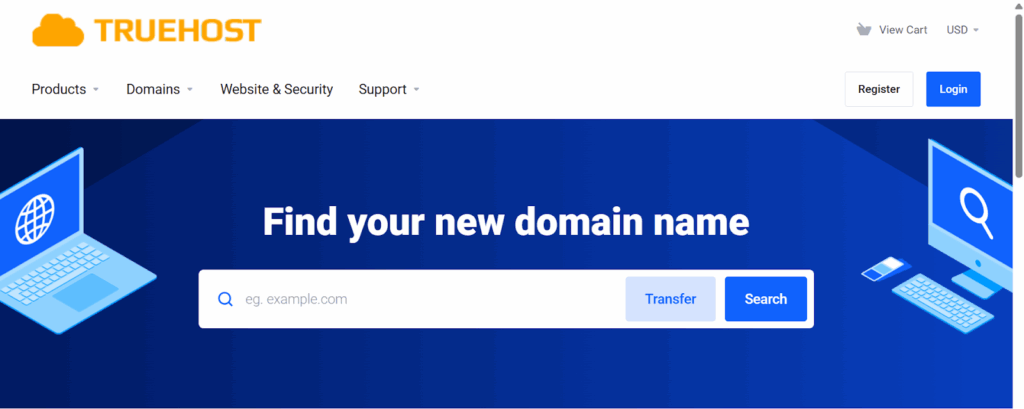
Start by checking if your desired name is available through a trusted registrar. Since .pl is popular, short or brandable names may already be taken, so it’s good to have alternatives ready.
Step 2: Choose the Right Extension
Decide whether you want a direct .pl domain or a second-level option like:
- .com.pl – Common for businesses.
- .org.pl – Often used by organizations.
- .net.pl – Suitable for tech-related projects.
Picking the right one depends on your brand and audience.
Step 3: Enter Your Contact Information
You’ll need to provide accurate details, including:
- Your name or company name
- Email address and phone number
- Administrative and technical contact info
Step 4: Set Your Nameservers
During registration, you’ll be asked to enter nameservers. These point your domain to your hosting provider. If you don’t have hosting yet, most registrars will let you use their default DNS settings for now.
Step 5: Complete Payment
Once you confirm your order and pay, the registrar submits your request to NASK (the .pl registry). Most registrations are processed within hours, though some may take up to a day.
Step 6: Manage Renewals and DNS
After registration, you’ll control your domain through your registrar’s dashboard. From there, you can:
- Renew your domain before it expires
- Update nameservers or DNS records
- Enable add-ons like WHOIS privacy or domain forwarding
Rules for .pl Domain Names
Before you register a .pl domain, it’s important to understand the rules that make your name valid. These guidelines are set by the registry (NASK) and followed by all registrars.
Length Requirements
Your domain name must be between 1 and 63 characters long, not counting the “.pl” extension itself. Shorter names are easier to remember, while longer ones may be harder for users to type.
Allowed Characters
You can use:
- Letters (a–z) in lowercase
- Numbers (0–9)
- Hyphens (-), but only in the middle of the name
Hyphens cannot appear at the beginning or end of a domain. You also can’t place them in certain combinations that break DNS standards.
Special Characters (IDNs)
The .pl domain supports internationalized domain names (IDNs), which means you can use Polish characters like:
ą, ć, ę, ł, ń, ó, ś, ż, ź
This makes it possible to create authentic names that reflect the Polish language. Keep in mind that while the domain will display with these characters, it’s stored in DNS using the ACE (xn--) format.
Restricted Names
Some words are not allowed in .pl registrations. For example:
- Technical prefixes like www, ftp, or http
- Reserved names that NASK protects for policy or system use
Keep It Simple and Unique
When choosing your domain, avoid conflicts with trademarks, existing brand names, or complicated structures. A good .pl domain is short, clear, and unique, making it easier for people to find and remember your website.
Following these rules ensures your .pl domain gets approved quickly and runs smoothly without legal or technical issues.
Benefits of Registering with Truehost US
At Truehost US, we make .pl domain registration hassle-free. Here’s what you get:
- Affordable pricing: Competitive rates for registration and renewals.

- Easy management: Control your domain through our user-friendly panel.
- Free extras: Enjoy SSL certificates, email addresses, and DNS management.
- Expert support: Our team is here to guide you every step of the way.
Explore Truehost’s domain services to see how we can help you succeed in Poland’s digital market.
Conclusion
If you’re serious about reaching Polish audiences, a .pl domain is the perfect first step. It instantly signals trust, improves your visibility in local searches, and gives your brand a true Polish identity.
At Truehost US, we make it easy. From quick searches to smooth registration, affordable prices, and reliable support, you’ll have everything you need to get started without stress.
? Register your .pl domain with Truehost US today and begin your journey into Poland’s vibrant online market.